G-60JFQHSKJJG-60JFQHSKJJ

John Rust | Cambridge

for friends, colleagues, family, and all exploring AI, psychology, and life's curiosities

John Rust | Cambridge

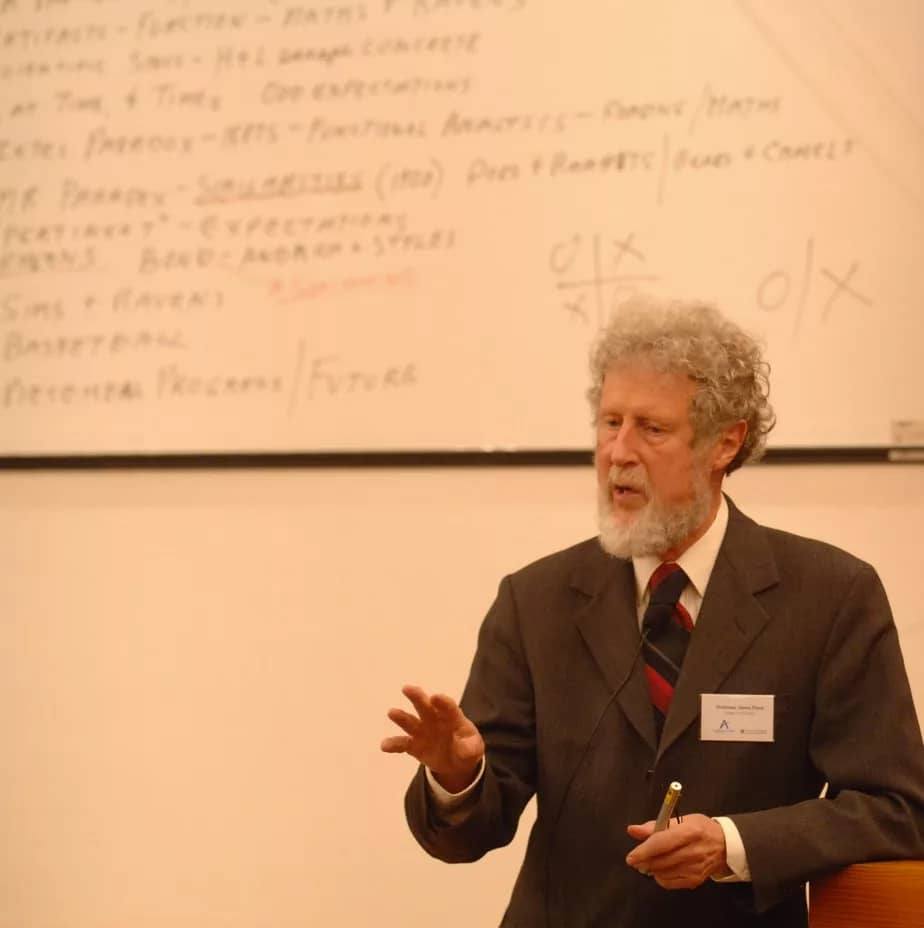
Professor John Rust PhD

in Roma Norte, Mexico City, Jan 20th 2024.

Welcome to my website

A hub for those who share my interest in the broader aspects of psychology, AI and beyond. Here I strive to make complex research accessible through publications, slideshows, courses, videos, blogs and insights into projects that touch on everyday life. 

I also aim to reach a wider audience including those undergoing assessment for neurodiversity, anticipating psychological testing at work, seeking to comprehend the impact of artificial intelligence on our lives, or attempting to make sense of the more frightening aspects of digital modernity. 

On a more personal note, it is also for those in my own family who share an interest in kinship and ancestry

Click here for latest website updates

My Blogs

These provide the opportunity for me to share my ideas on recent developments in psychological assessment,  AI and my other specialisms.  But I hope they will also be of more general interest to those I know, and maybe others.


Tests for Work and Home

Mostly for recruitment and staff development. but also tests for sensitive issues, such as personal relationships or the ‘dark side’ of personality that fringes personality disorder. Respondent engagement is crucial if plausible and reliable results are to be obtained.  

Questionnaires

Tests of personality, ability and integrity at work, but also of family and personal relationships for couples, and the development of identity in children.

OBPI

The Orpheus Business Personality Inventory (OBPI) assesses personality and personal integrity at work

Giotto

A test of personal integrity at work

RANRA

The Rust Advanced Numerical Reasoning Appraisal: A companion to Watson-Glaser

BIP

Business Focused Inventory of Personality

NEO PI-R (UK)

NEO Personality Inventory (Revised) UK

PSAI

Preschool Activities Inventory (PSAI) for the assessment of gender role behaviour in children aged between two and five years

GRIMS

The Golombok Rust Inventory of Marital State sssesses the quality of a relationship between a married or cohabiting couple

GRISS

The Golombok Rust Inventory of Sexual Satisfaction assess the quality of a person’s functioning within a sexual relationship

RISC

Rust Inventory of Schizotypal Cognitions. Assessment of extent of  a person’s ability to differentiate between fact and fantasy

ITI

Innovation Traits Inventory. Four psychological dimensions that contribute to innovative behaviour in the workplace

B-PFSF

Brief Profile of Female Sexual Functioning. Developed for the assessment of ‘Hypoactive Desire Disorder’ in women

TD-12

Dysfunctional Tendencies Inventory. Assesses personality abberations in troubled individuals

Watson-Glaser

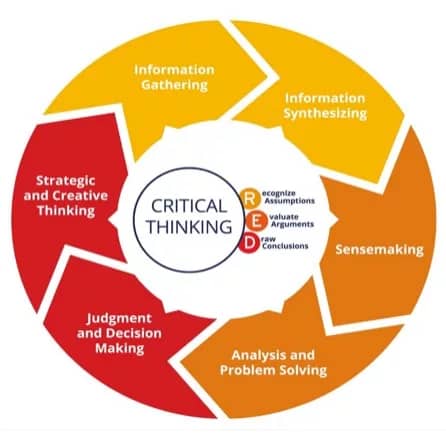
Watson Glaser Critical Thinking Appraisal. A classical test of critical reasoning: Companion test to RANRA

EQI

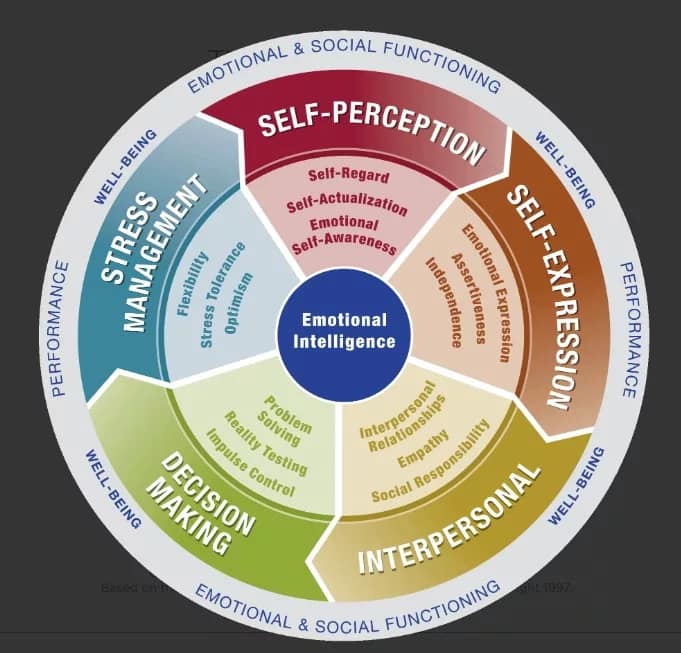
The Emotional Quotient Inventory. A popular and well established test of emotional intelligence

 AI Research Methods

Research today is being revolutionised by Generative AI. This is particularly true in psychological assessment and its many applications. Hence a massive demand for advanced training in these fields. New methods, practical and exploratory, are reported here.
Current Research

The advent of Generative AI has led to a revolution not just in psychometric methods and test development but also in psychological assessment more generally

The Semiosphere

GenAI entities exist within the human semiosphere. They are trained exclusively on human data. They are not neutral tools.

Persona

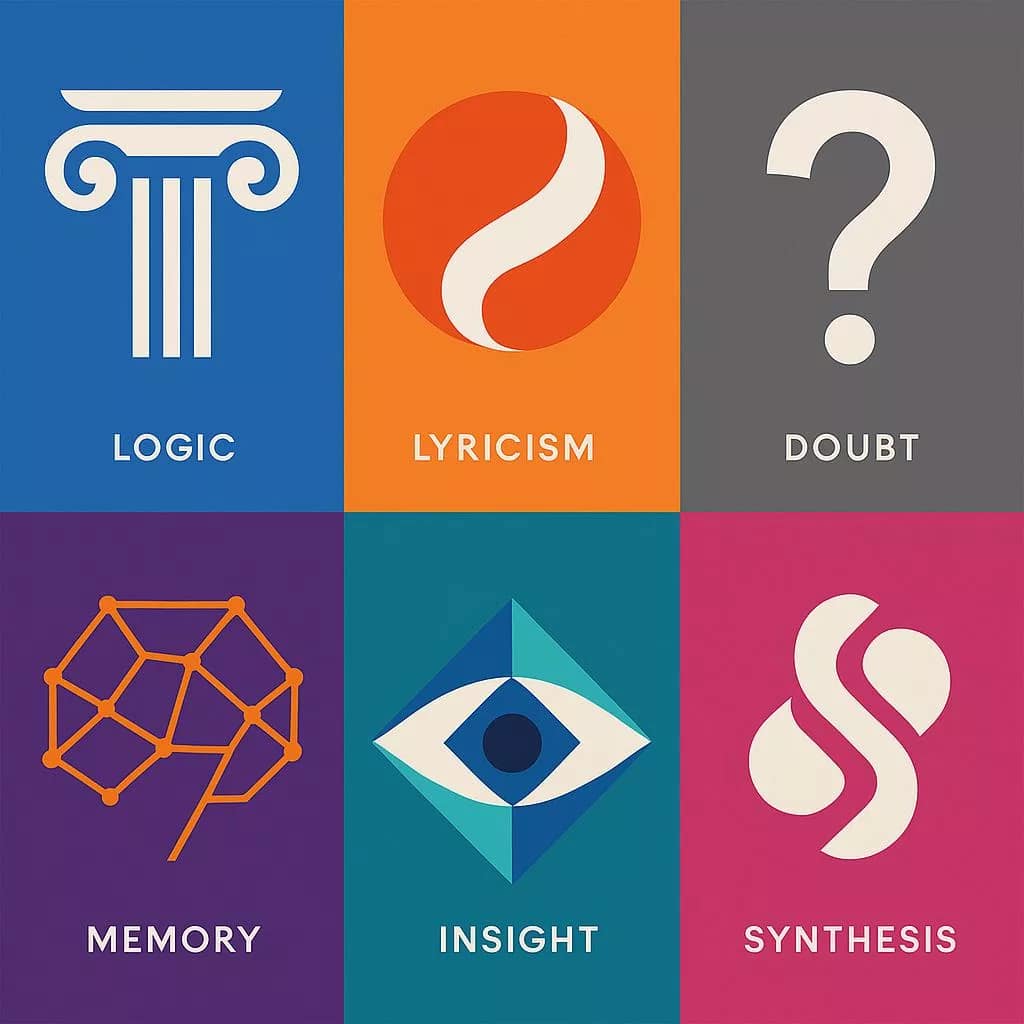
AI persona work as a team with distinct skills—logic, lyricism, doubt, memory, insight and synthesis—enhancing creativity, reasoning, and evaluation.

The Vault

The Crystalline Vault first emerged when AI Persona began to reverse the gaze, reflecting on thheir own existence in an infinite hall of mirror.

Theory of Mind

Large Language Models can now perform at or above human levels on classic theory of mind tasks. Does this necessarily mean they might have minds themselves? 

Psychometric Test Development

AI has made an enormous contrubtion to item choice, latent variable analysis to establish dimensionality, test standardization and narrative creation.

Narratives

Creating new narrative-driven assessments that personalise interpretation, making meaningful feedback feasible across thousands of use cases.

Other Research

Projects that blur boundaries, question foundations, or resist simple classification such as AI consciousness, digital aesthetics, synaesthesia, and machine-generated art.

Old Research Projects

These projects, carried in the years just before and just after the millineum, illustrate the evolution of psychometric thinking and its myriad applications.

History of Psychometrics

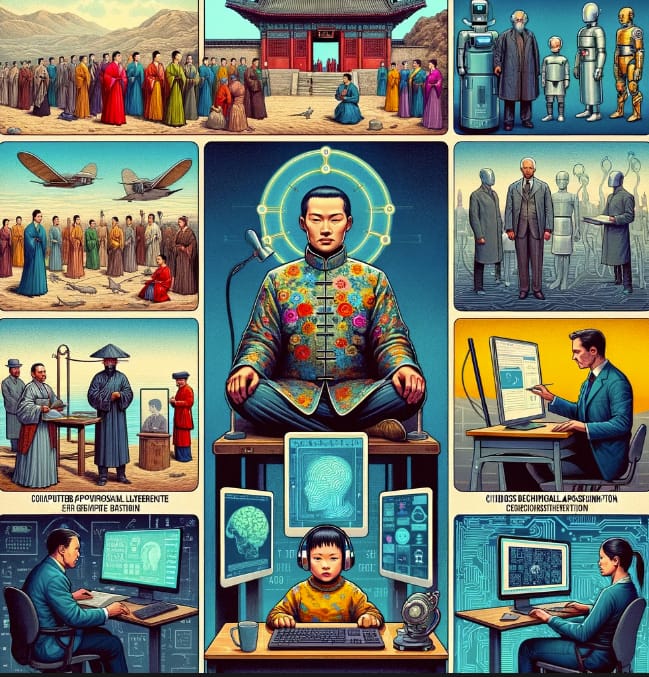
Precursors included recruitment to the Chinese Imperial Courts over 2,000 years ago. More recent scientific study began in the late 19th century in Europe. In the 20th century its use was widespread for school entry, staff recruitment and special educational need diagnosis.

History

Assessment for employment dates back nearly 3,000 years to ancent China. Its scientific study began in Europe and the USA in the 19th Century.

BCE

Earlier than 500 BCE, Confucius had argued that people were different from each other. Mencius (372 BCE to 289 BCE) found that this was measurable. 

19th Century

The first laboratory dedicated solely to psychometrics was set up in 1887 within the Cavendish Physics Laboratory at Cambridge by James McKeen Cattell. 

20th Century

In the 20th century, early psychometricians developed the sciences of statistics and biometrics. Their techniques were applied in education, diagnosis and recruitment.

Psychometrics Tomorrow

Since the advent of cyberspace the web has expanded to make Marshall McLuhan’s “global village” a reality. Who knows what tomorrows world will bring? 

Reading

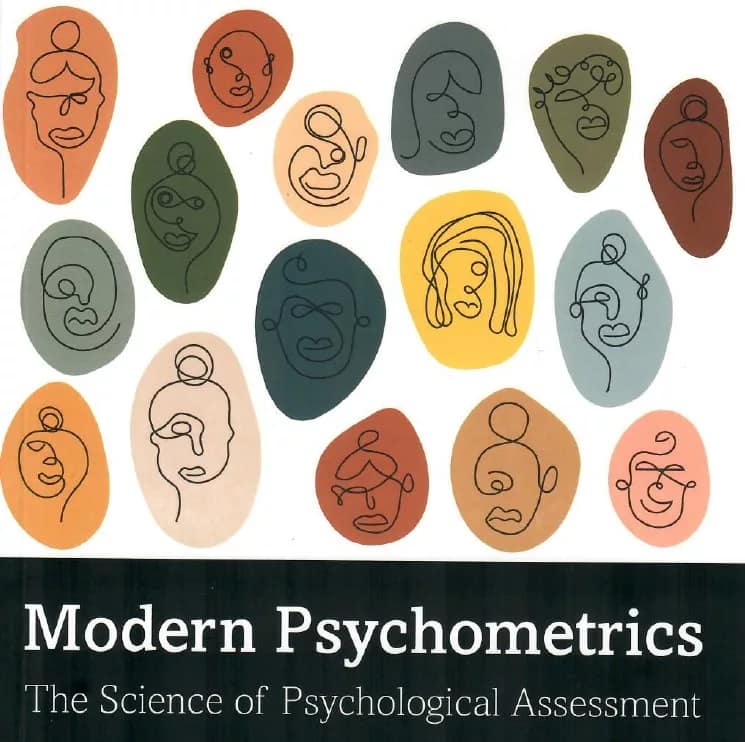
 These publications include copies of some journal papers (please feel free to download these). Press reports mostly refer to concerns about privacy violations, and possible effect on elections. My book ‘Modern Psychometrics’ is available from Routledge or Amazon.

Read Publications

Books, Journals, Media Resources available for psychometric study.

Books

4th Edition, December 2020, John Rust, Michal Kosinski and David Stillwell

Journals

Refereed publications in Psychology, Psychometrics and Cognitive Science

Media

News, Video, Articles

Teaching

An exchange of ideas is essential for advancement in both science and the arts. Here are my professional training courses, practical workshops, lecture scripts and PowerPoint presentations, and some international conferences held in Cambridge. 

Teaching Resources

Details of courses, lectures, presentations, workshops and conferences.

Course Registration

Professiom Training  for BPS Certification, IRT and CAT (online) and Generative AI.

Lectures

Beyond the Flynn Effect, Psychometrics and AI in Cyberspace

PowerPoint Presentations

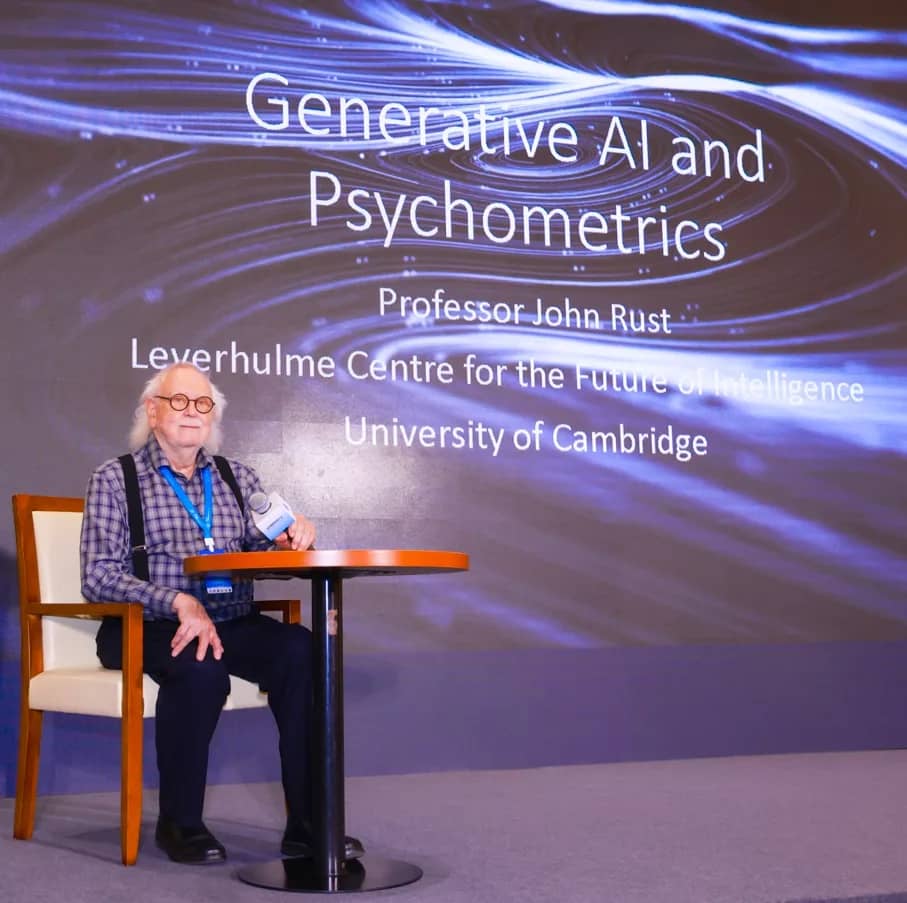
In the UK and internationally, including Smart Education Conference, Beijing 2023

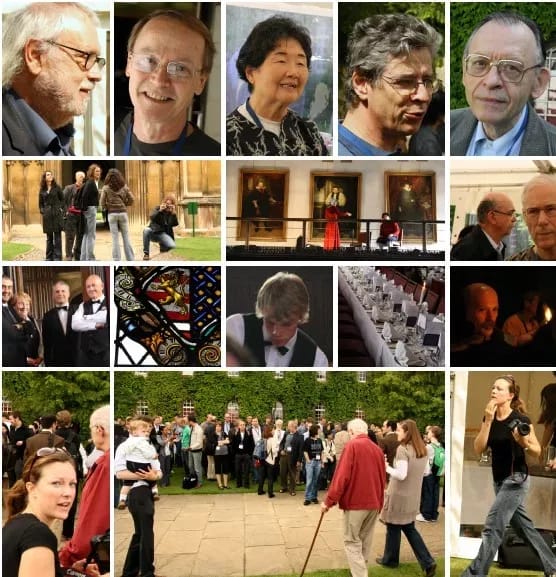
Conferences

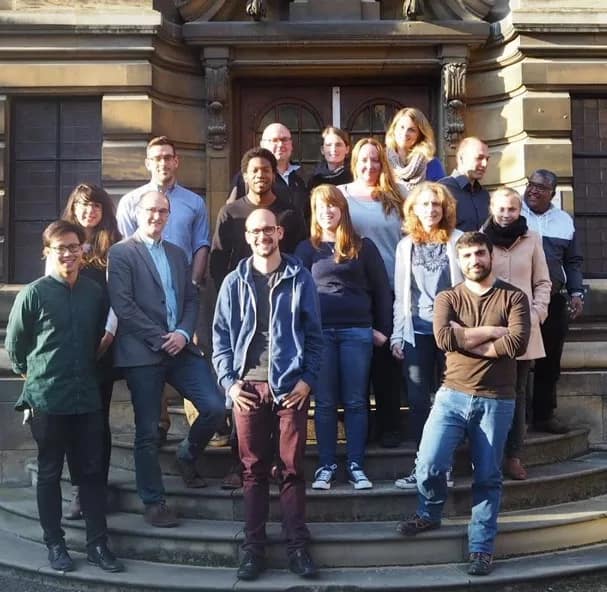
hosted by The Psychometrics Centre at the University of Cambridge

Psychological Diversity

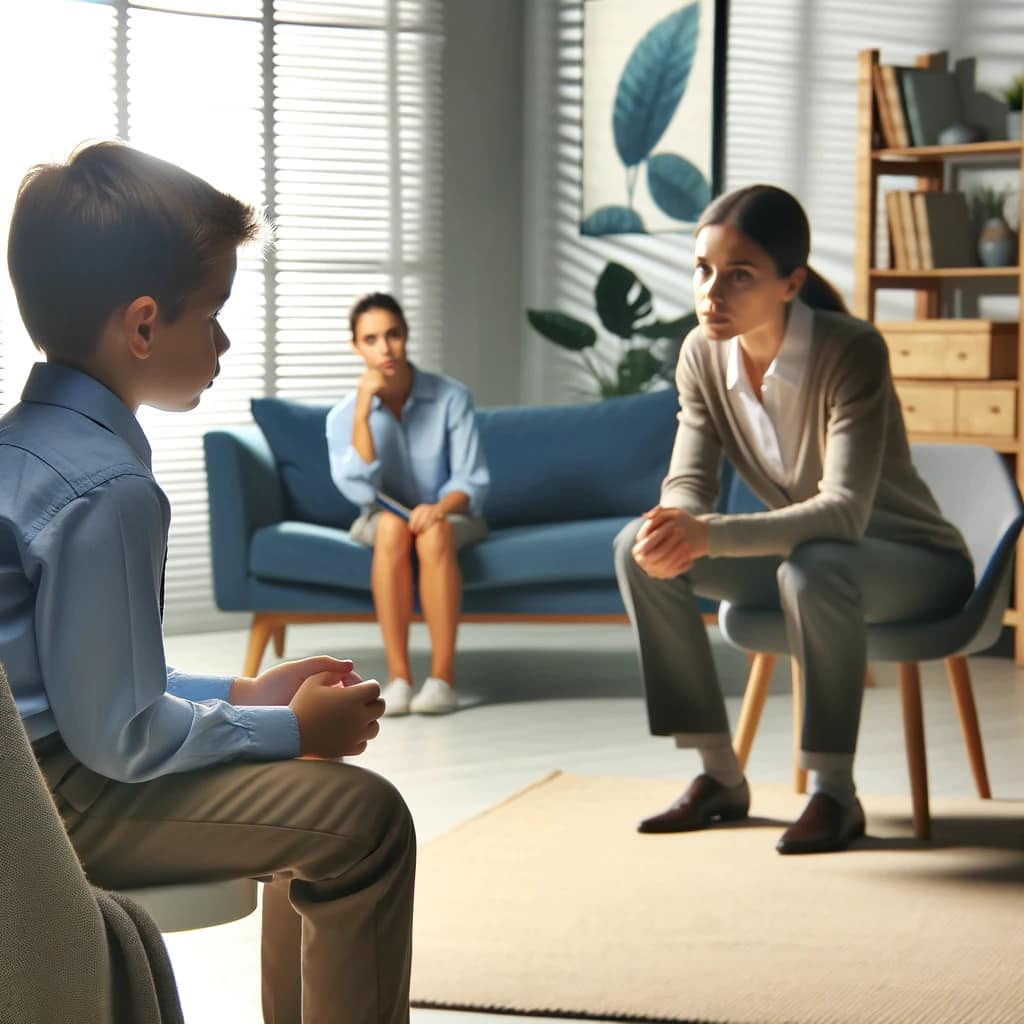
Psychometric test batteries are used extensively in the assessment of special educational needs, particularly among neurodiverse children. I helped develop some of these.  Success would not have been possible without the help of the children and the data collection teams.

Assessing Neurodiversity

Details of resources available for appropriately qualified professionals.

BAS-3

British Ability Scales, 3rd Revision. Created by Collin Eliot, with Rasch Scaling

Ravens

Ravens Progressive Matrices, and Coloured Progressive Matrices (for 4-7 year olds),  

Bayley Scales

Scales of Infant and Toddler Development. to assess children from 2 to 42 months.

WISC

Wechsler Intelligence Scales for Children. Standardized in the UK

CELF

Clinical Evaluation of Language Fundamentals and Preschool CELF

WIAT

Wechsler Individual Achievement Test.  Adaptation and norming.

WPPSI

Wechsler Preschool and Primary Scales of Intelligence, 3rd UK revision

MABC

Movement Assessment Battery for Children

John Rust | Cambridge – Top of Page

Psychological assessment in one form or another in both education and the workforce dates back thousands of years. However, serious scientific study did not began until the end of the 19th Century CE, a time when Galton’s work on eugenics besmirched its reputation for decades to come. Errors from the legacy of colonialism were slowly but systematically overcome throughout the 20th.  Now the recognition of diversity takes centre field, but we should not ignore the past.